
👀 Considering SMILE LASIK?
Take the First Step Toward Crystal-Clear Vision
Fill out this short form, and our team will contact you to answer your SMILE questions and book your free consultation.
Contact Us
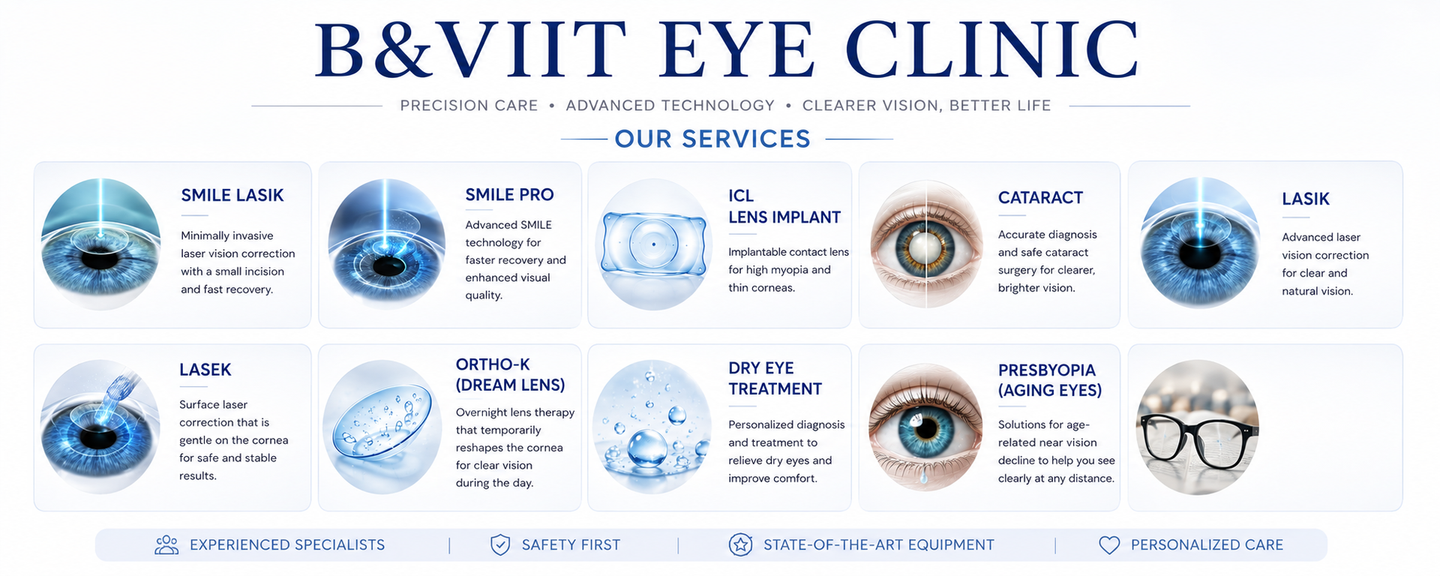
Korea SMILE LASIK & SMILE Pro Experts
Ready to take the next step in your journey towards a new lifestyle glasses or contacts free?
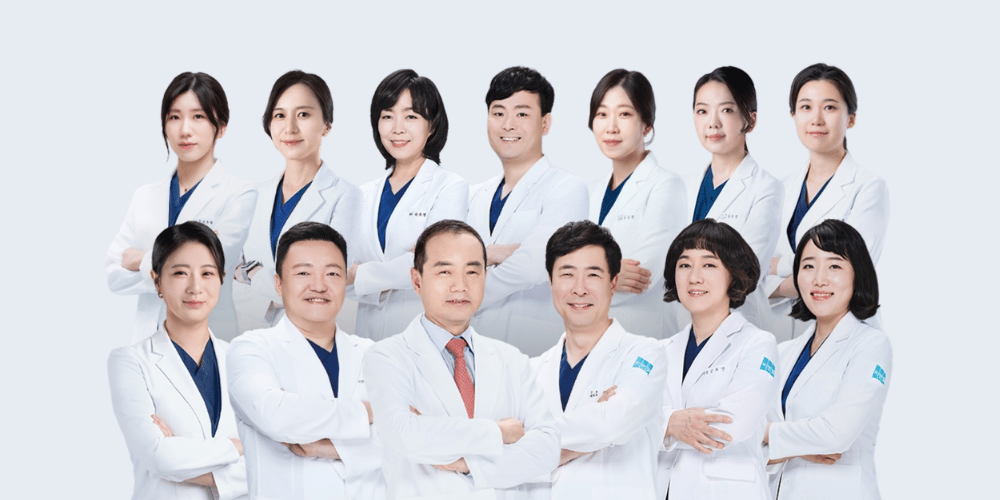
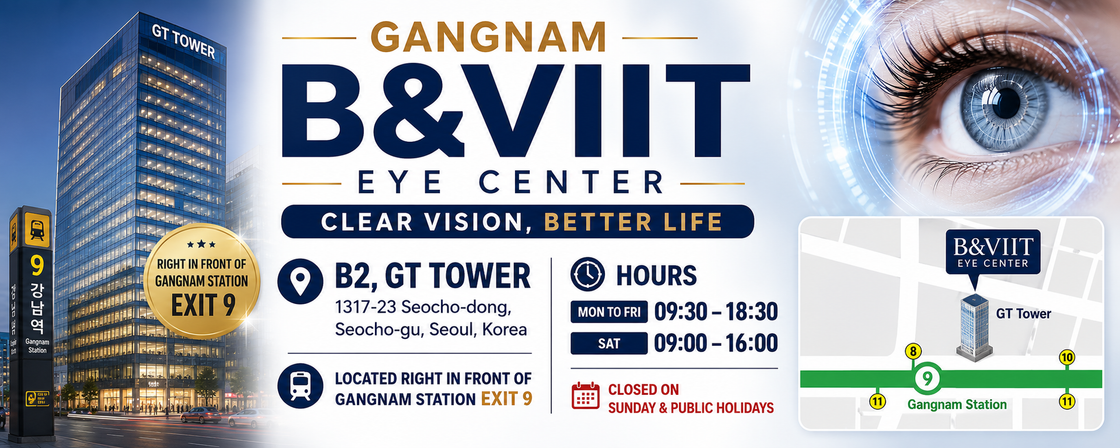
Gangnam B&VIIT Eye Center
- Established in 1994, the most experienced refractive surgery clinic in Korea
- Performed over 620,000 vision correction surgeries
- 13 experienced ophthalmologists and 180 professional medical staff members
- 15 steps and 60 types of detailed examination with the latest equipment
- A.I Vision Correction System to provide the most appropriate surgery plan for individuals
- Language services for international patients (English and Chinese)
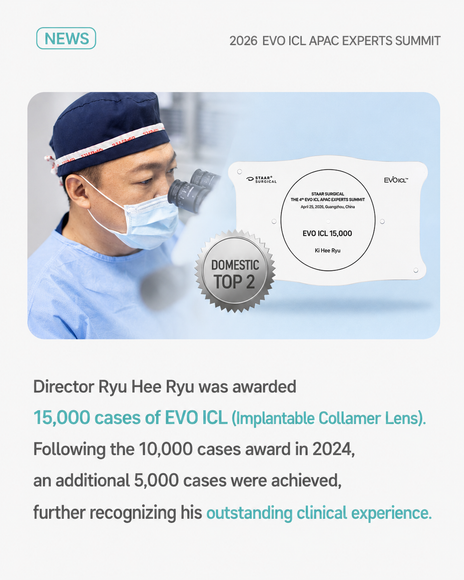
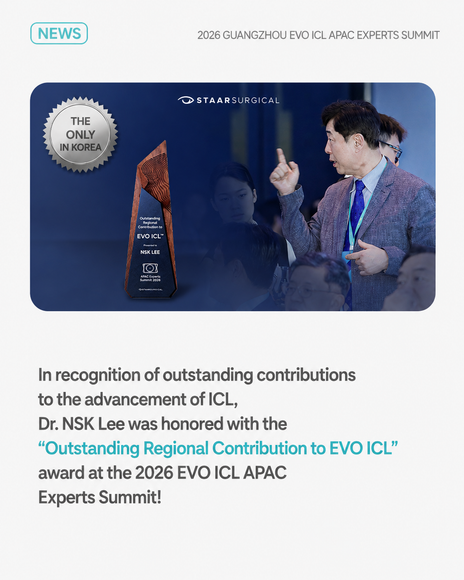
B&VIIT News
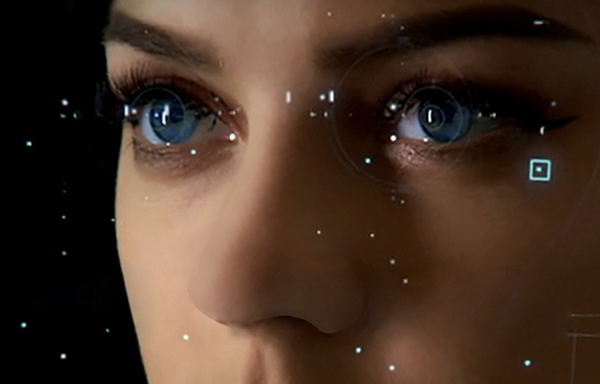
B&VIIT A.I. Vision Correction
Prediction System
Based on 31 years of surgical know-how and accumulated vision correction data of 600,000 eyes, we derive the result value and propose an optimized vision correction method for the individual.
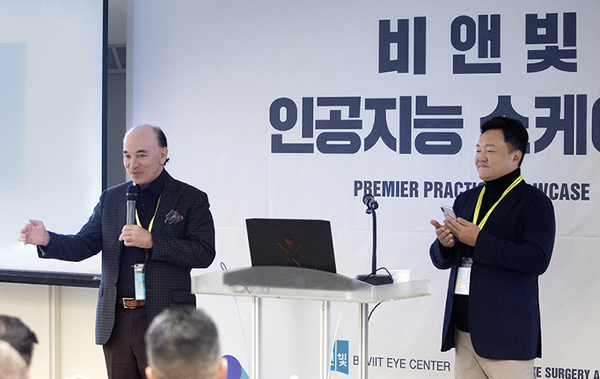
Medical Advice and Lectures
B&VIIT's expertise and experience has been the cornerstone of medical lectures all over the world more than 50 times since 2011.
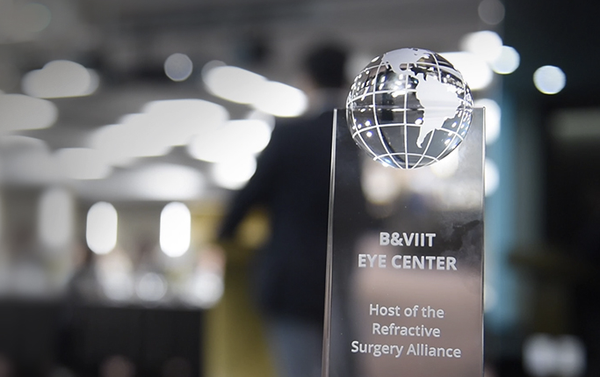
Recent Achievements
As a leading eye center of Korea, it is our duty to constantly improve our services. In our effort to find the best vision correction guidelines, we are consistently conducting research into vision correction and so B&VIIT has released 120 research papers to date. B&VIIT's medical expertise has been proven by receiving numerous awards and certifications.
Medical Services
This is a short title
Describe some quality or feature of the company. Write a short paragraph about it and choose an appropriate icon.
This is a short title
Describe some quality or feature of the company. Write a short paragraph about it and choose an appropriate icon.
This is a short title
Describe some quality or feature of the company. Write a short paragraph about it and choose an appropriate icon.
This is a short title
Describe some quality or feature of the company. Write a short paragraph about it and choose an appropriate icon.

B&VIIT Doctors
31 Years of Expertise in Vision Correction
Meet the experienced medical team at B&VIIT Eye Center, trusted by countless patients for over 31 years of expertise in vision correction.
Discover lifelong vision care from highly experienced specialists in vision correction, cataracts, retina, glaucoma, and comprehensive eye care.

Dr. Jin-kuk Kim
CEO, established the Bright World Eye Center

Dr. In-sik Lee
Specialized in refractive cataract, laser vision correction, SMILE, and lens implantation surgery.

Dr. Ik-hee Ryu
Specialized in lens implantation, laser vision correction, SMILE, and refractive cataract surgery.

Dr. Hee-sun Kim
Specialized in laser vision correction, SMILE, lens implantation, and refractive cataract surgery

Dr. Hannuy Choi
Specialized in SMILE/Pro, lens implantation, laser vision correction, refractive cataract surgery, lens exchange, and lens explantation

Dr. Eun-min Kang
Specialized in glaucoma, laser vision correction, SMILE, lens implantation, and refractive cataract surgery

Dr. Wook-kyum Kim
Specialized in laser vision correction, Ortho-K lens(dream Lens), strabismus, and pediatric ophthalmology

Dr. Yoo-kyung Park
Specialized in Ortho-K lens(dream lens), pediatric ophthalmology, and dry eyes

Dr. Sun-young Ryu
Specialized in retina, laser vision correction, SMILE, and lens implantation surgery

Dr. Seung-min Kim
Specialized in Smile, vision correction, and dry eyes

Dr. Bo-yi Kim
Specialized in Smile, vision correction, and dry eyes

Dr. Na-eun Kim
Specialized in retina
Ready to visit our clinic?
Gangnam B&VIIT Eye Clinic
Premium LASIK & SMILE Surgery in Seoul
Located in the heart of Seoul’s Gangnam district, Gangnam B&VIIT Eye Clinic is a top destination for vision correction, offering advanced LASIK, SMILE, and LASEK surgeries. Known for its state-of-the-art technology and English-speaking specialists, the clinic provides safe, precise,
and customized treatments for both locals and international patients.
With a team of experienced ophthalmologists and cutting-edge laser systems,
Gangnam
B&VIIT Eye Clinic ensures
quick recovery, minimal discomfort, and long-lasting results. Whether you're considering
SMILE surgery for a flap-free procedure or
LASIK for rapid vision improvement, this clinic is a trusted choice.
SMILE LASIK
Type
Go Beyond the Limitations of LASIK and LASEK!
An advanced vision correction procedure combining the key advantages of both LASIK and LASEK.
SMILE
SMILE LASIK
What Is SMILE LASIK?
SMILE LASIK (Small Incision Lenticule Extraction) is an advanced vision correction procedure in which a laser passes through the corneal surface and precisely reshapes the corneal tissue needed for vision correction. The treated lenticule is then removed through a small incision of approximately 2 mm, helping restore clearer vision.
SMILE vision correction includes SMILE LASIK and SMILE Pro. Unlike conventional LASIK, which requires the creation of a corneal flap, SMILE uses a minimally invasive approach that applies the laser directly within the corneal tissue without creating a flap.
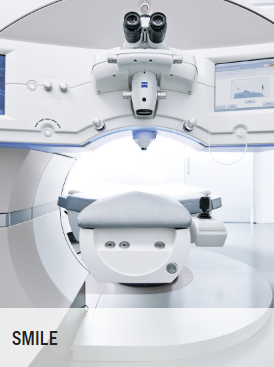
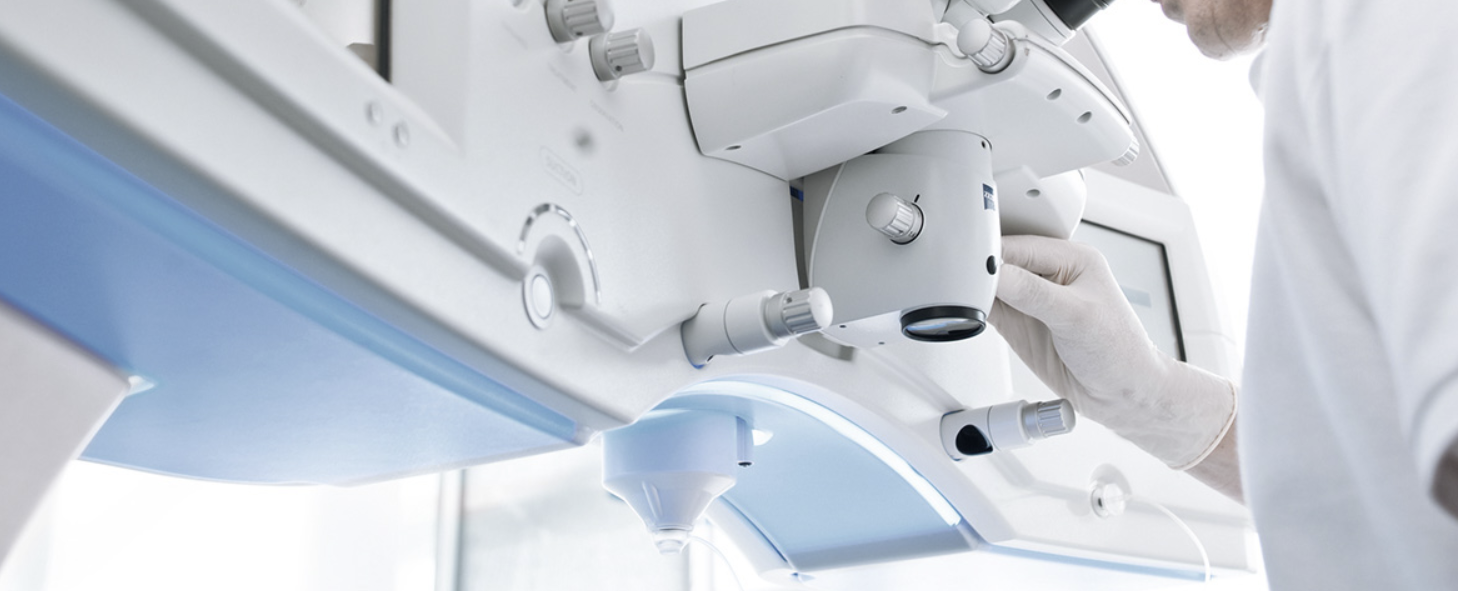
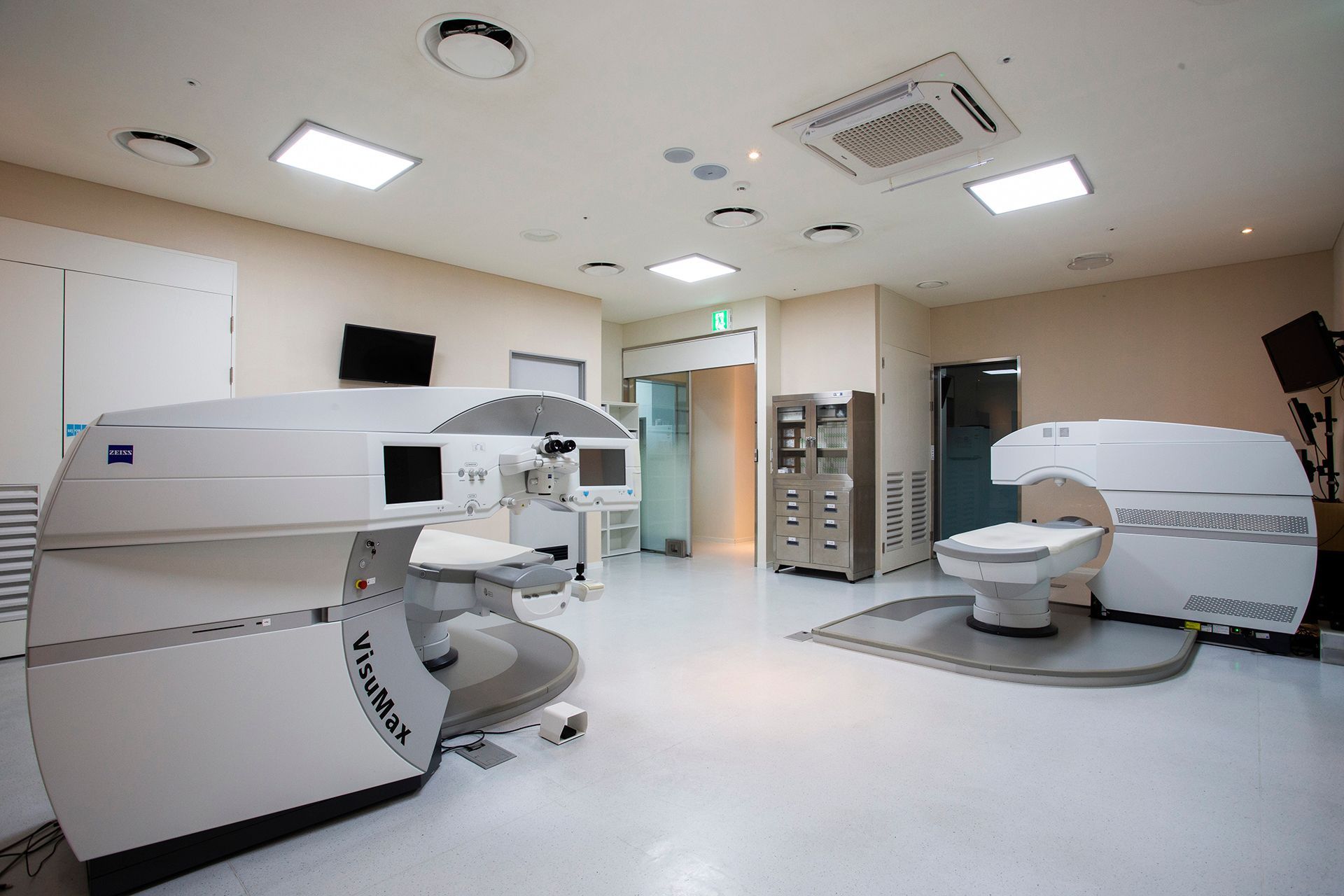
Developed by ZEISS in Germany, SMILE LASIK is performed using the VISUMAX laser system and has received FDA approval for eligible indications.
Faster and Safer with a Minimal Corneal Incision
SMILE LASIK uses a minimal corneal incision of approximately 2 mm, helping shorten the procedure time
and reduce stress on the eyes.
SMILE LASIK Procedure
- 01 Laser Application
The laser is applied directly to the corneal stroma without creating a corneal flap. - 02 Minimal Incision of Approximately 2 mm
A small incision of approximately 2 mm is made on the corneal surface. - 03 Lenticule Removal
The corneal lenticule is carefully removed through the approximately 2 mm incision.
Benefits of SMILE LASIK
Minimal Corneal Damage for Enhanced Safety
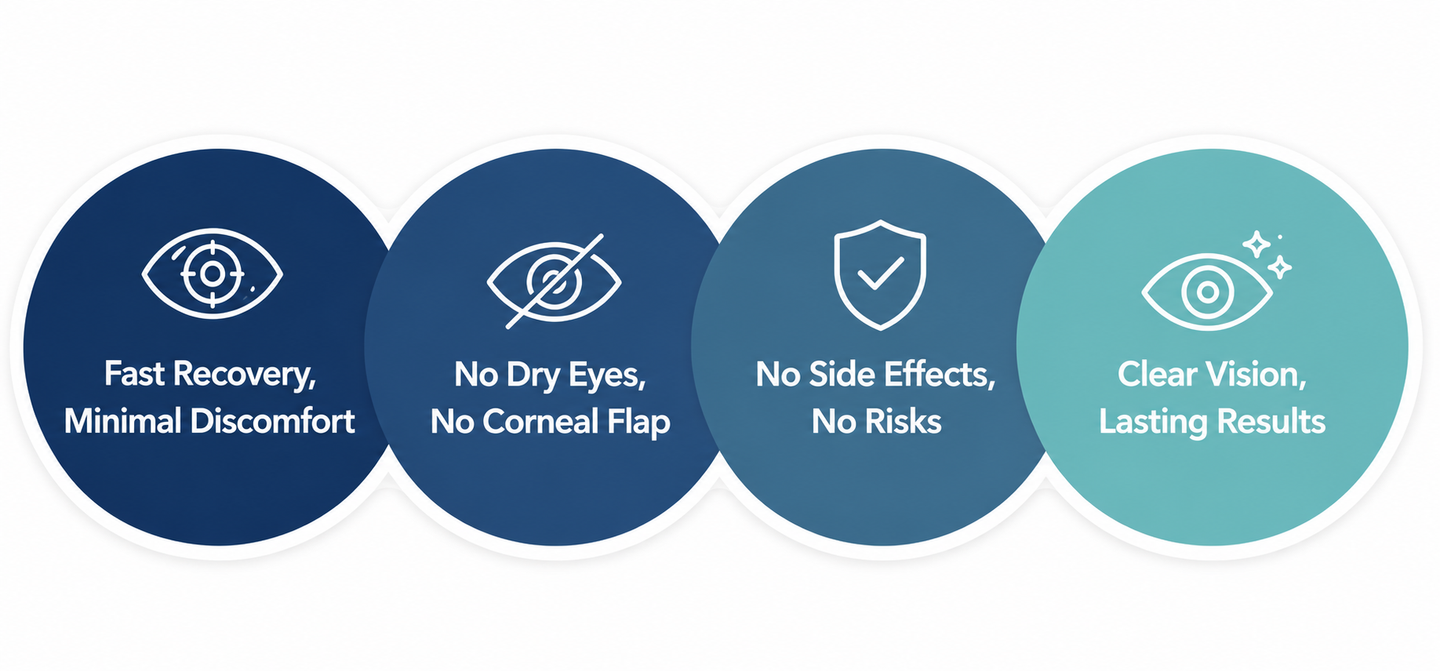
Compared with conventional vision correction procedures, SMILE LASIK requires only a very small corneal incision, helping minimize disruption to the corneal surface. This may reduce the risk of postoperative dry eye and visual disturbances such as glare while supporting a faster recovery.
Because SMILE LASIK does not create a corneal flap, the eye is also less vulnerable to flap-related issues from external impact, making it a suitable option for patients who enjoy sports or other physically active lifestyles.
Who Is SMILE LASIK Recommended For?
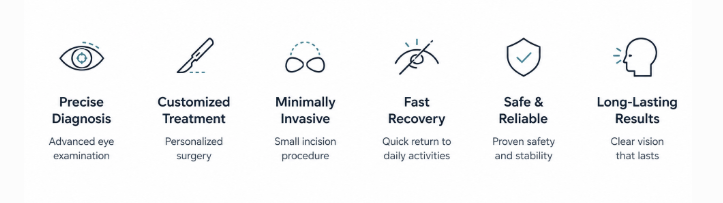
SMILE LASIK is recommended for people who:
SMILE LASIK Frequently Asked Questions (FAQ)
Common Questions About SMILE LASIK
How Long Does It Take to Recover After SMILE LASIK?
SMILE LASIK offers one of the fastest recovery times among vision correction procedures, with many patients able to return to normal daily activities within 1–2 days.
Unlike conventional LASIK or LASEK, SMILE does not use an excimer laser. Instead, a highly precise femtosecond laser creates a small lenticule within the cornea, which is then removed through a minimal incision without creating a corneal flap. This minimally invasive approach reduces disruption to the corneal surface and eliminates the healing process associated with a LASIK flap, helping support a faster and more comfortable recovery.
When Can I Resume Normal Daily Activities After Surgery?
Normal daily activities are generally possible starting the day after SMILE LASIK surgery. A follow-up examination is scheduled the next day to check the healing process.
If no unusual issues are found during the examination, patients can typically resume everyday activities such as washing their face, washing their hair, and going outside. Women may also resume facial makeup and eye makeup after the next-day follow-up, according to the doctor’s guidance.
How Much Does SMILE LASIK Surgery Cost?
The cost of SMILE LASIK varies depending on the clinic, so it is difficult to provide an exact price. Because SMILE LASIK requires advanced surgical technology and combines key advantages of both LASIK and LASEK, it is generally more expensive than conventional vision correction procedures.
As a general guide in Korea, LASIK typically costs around the upper ₩1 million range, LASEK around the mid-to-upper ₩1 million range, and SMILE LASIK around the mid-₩2 million range. Actual costs may vary depending on the patient’s eye condition, examination results, surgical method, and clinic.
Is Postoperative Care After SMILE LASIK Inconvenient?
Because SMILE LASIK does not create a corneal flap and requires only a minimal incision, disruption to the cornea is reduced, allowing for relatively fast recovery. Patients can generally resume everyday activities such as washing their face and showering from the day after surgery, following their postoperative examination and doctor’s guidance.
The quick return to daily life can be especially convenient for patients with busy schedules. In addition, SMILE LASIK generally requires less complicated postoperative care compared with some conventional vision correction procedures.
What Are the Possible Side Effects of SMILE LASIK?
As with other vision correction procedures, patients may experience temporary dry eyes, glare, or halos around lights during the early recovery period. These symptoms generally improve gradually over time.
However, the recovery period and severity of symptoms may vary depending on individual factors such as pupil size, pre-existing dry eye, and overall eye condition before surgery.
How Painful Is SMILE LASIK? Does It Hurt a Lot?
Although uncommon, some patients may experience mild discomfort, light sensitivity, or tearing on the day of surgery. These symptoms are generally less pronounced than with some other vision correction procedures and typically improve quickly, with many patients able to resume normal daily activities from the following day.
Can SMILE LASIK Be Performed for Severe Astigmatism?
Our clinic performs SMILE LASIK in accordance with established international standards. Having severe or very high astigmatism does not necessarily mean that SMILE LASIK is not an option.
Eligibility depends on several factors, including the condition and thickness of the cornea, the degree of astigmatism, and overall eye health. A comprehensive preoperative eye examination is therefore required to determine whether SMILE LASIK is suitable for each patient.
Is There an Age Limit for SMILE LASIK Surgery?
Laser vision correction procedures, including SMILE LASIK, are generally considered for patients 18 years of age or older, once eye growth has stabilized. Vision should also remain stable for at least 6 months before surgery.
For patients in their 40s or 50s, suitability should be assessed carefully because age-related changes such as presbyopia or cataracts may affect the choice of vision correction. If cataracts are present, cataract surgery with an appropriate intraocular lens may be considered instead of SMILE LASIK. A comprehensive eye examination is necessary to determine the most suitable treatment for each patient.
Book Your Free Consultation Today!
Discover the best vision correction options for you with a free LASIK consultation. Our experts will guide you through the process, helping you achieve clearer vision with less dependence on glasses or contacts.
SMILE Meets B&VIIT AI and Becomes PRO
SMILE PRO

What Is SMILE PRO?
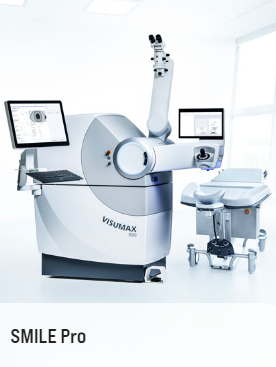
SMILE PRO is an advanced version of conventional SMILE LASIK. While SMILE LASIK is performed using the ZEISS VISUMAX 500, SMILE PRO uses the next-generation ZEISS VISUMAX 800 femtosecond laser system.
With laser application completed in less than 10 seconds, SMILE PRO offers faster treatment and enhanced precision, supporting rapid visual recovery and clearer vision.
Faster Procedure, Enhanced Precision
A shorter laser application time combined with real-time monitoring enables precise laser delivery while helping maintain stability throughout the procedure.
SMILE PRO Procedure
- 01 Laser Application in Under 10 Seconds
Ultra-fast laser application to the corneal stroma. - 02 Real-Time Monitoring
The system continuously monitors positioning
and movement to support accurate treatment.
- 03 Lenticule Removal Through a Minimal Incision
The corneal lenticule is carefully removed through
a small incision of approximately 2 mm.
Benefits of SMILE PRO
Transform Your Vision in Just 10 Seconds
With an ultra-fast laser application of approximately 10 seconds, SMILE PRO significantly reduces treatment time compared with conventional SMILE. Enhanced precision and advanced laser technology support a stable procedure and faster recovery for clear, high-quality vision.
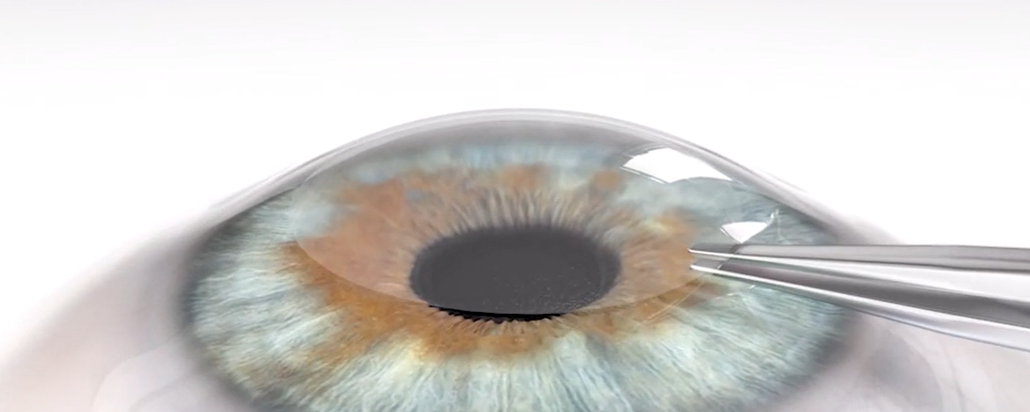
The Remarkable Benefits of a Shorter Procedure Time
Advanced precision scanning technology enables a significantly shorter laser application time, helping to reduce the risk of suction loss (loss of eye fixation) during the procedure and supporting greater treatment stability.
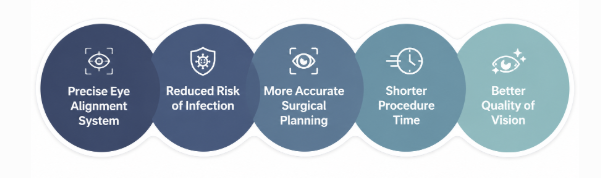
Predicting Subtle Eye Movements for Enhanced Astigmatism Precision
SMILE PRO monitors eye position and movement in real time, detecting even subtle changes during the procedure. This enables highly precise laser delivery, supporting the accuracy required for astigmatism correction.
CentraLign
CentraLign precisely detects eye movements and automatically centers the eye, helping ensure accurate laser alignment and optimal treatment results.
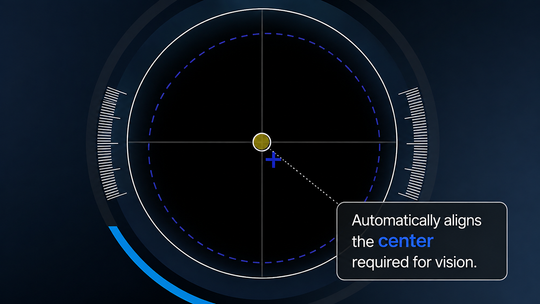
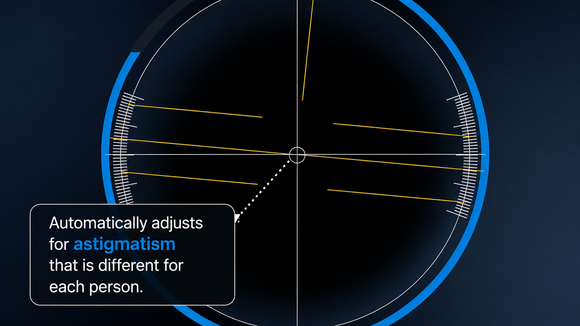
OcuLign
OcuLign compensates for rotational changes in the astigmatism axis, enabling more precise correction and providing an optimized solution for patients with astigmatism.
SMILE PRO Surgical Technology
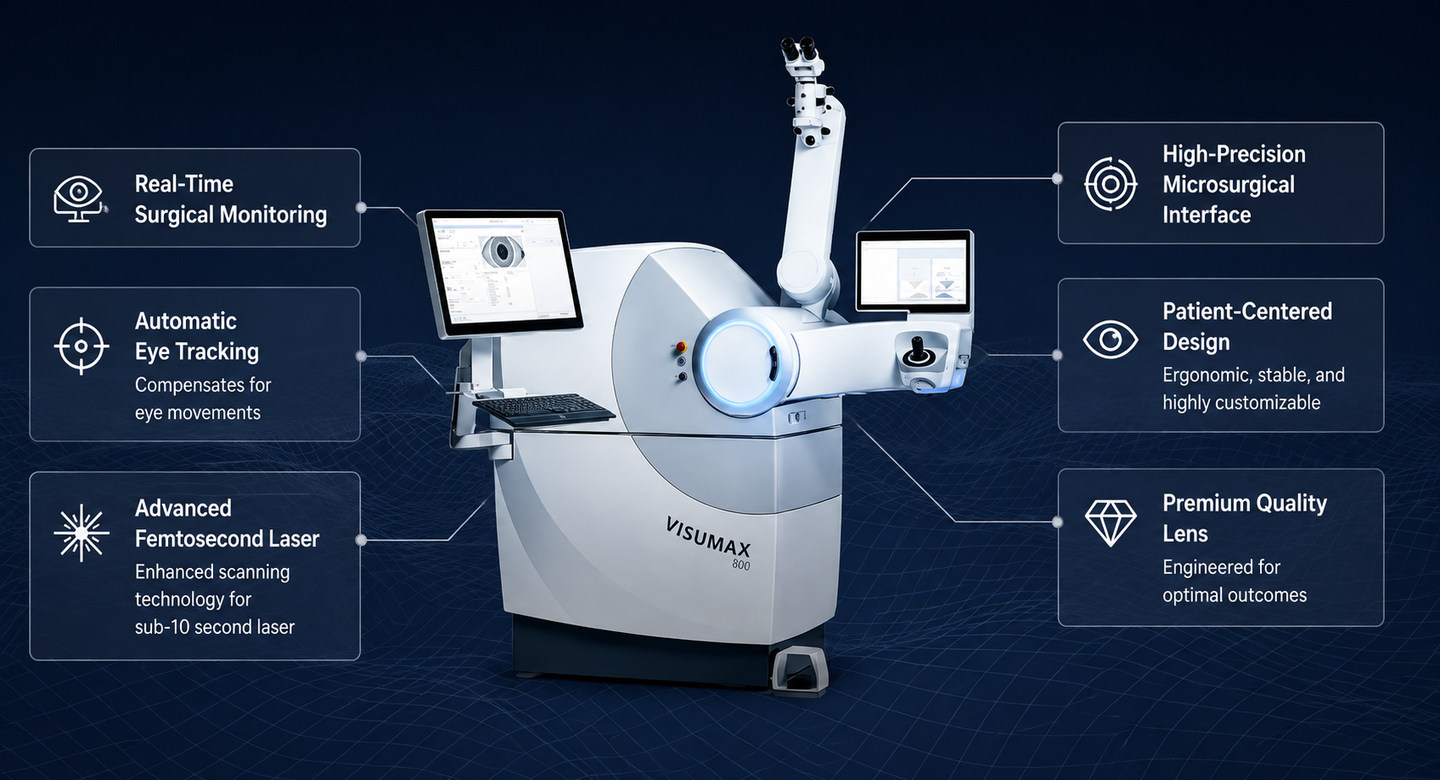
VISUMAX 800 – Ultra-Precise Femtosecond Laser Technology
The ZEISS VISUMAX 800 features advanced high-precision laser technology with an ultra-fast laser application time. By significantly shortening the procedure, it enhances treatment precision and stability while supporting fast recovery and clear visual outcomes.
Who Is SMILE PRO Recommended For?
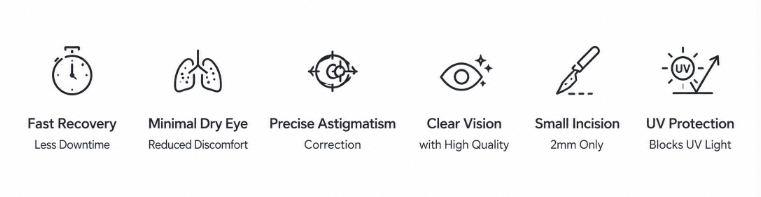
B&VIIT AI SMILE PRO is recommended for people who:
B&VIIT AI SMILE PRO
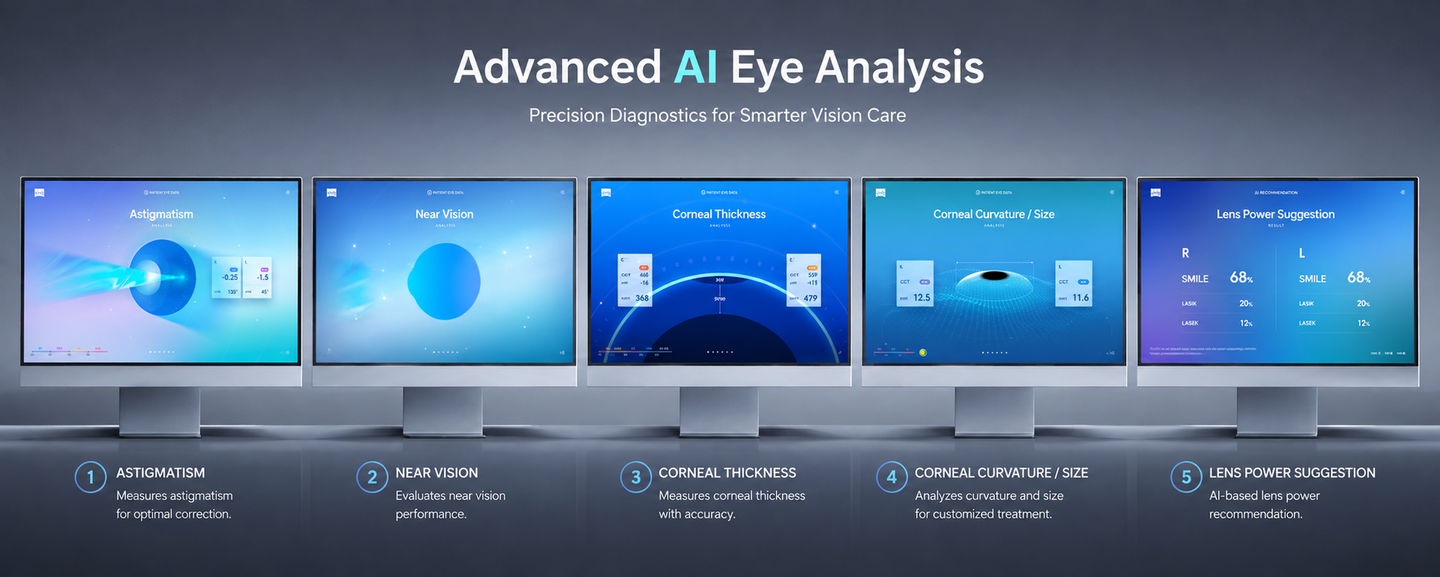
SMILE PRO, Further Advanced with B&VIIT AI
Built on 31 years of experience and big data from 600,000 eye examinations, B&VIIT AI analyzes each patient’s eye condition to determine suitability and support personalized planning for SMILE PRO surgery.
Leading SMILE LASIK Clinic
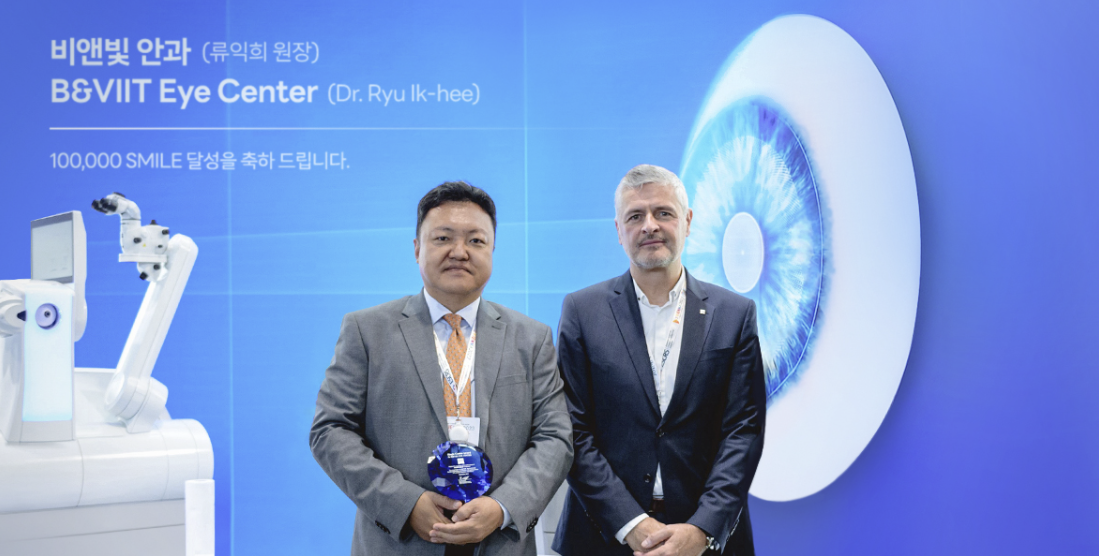
100,000 SMILE LASIK Eyes Treated
Since first introducing SMILE LASIK in 2012, B&VIIT Eye Center has achieved 100,000 SMILE LASIK procedures (eyes treated), a milestone reached by a single eye clinic in Korea.
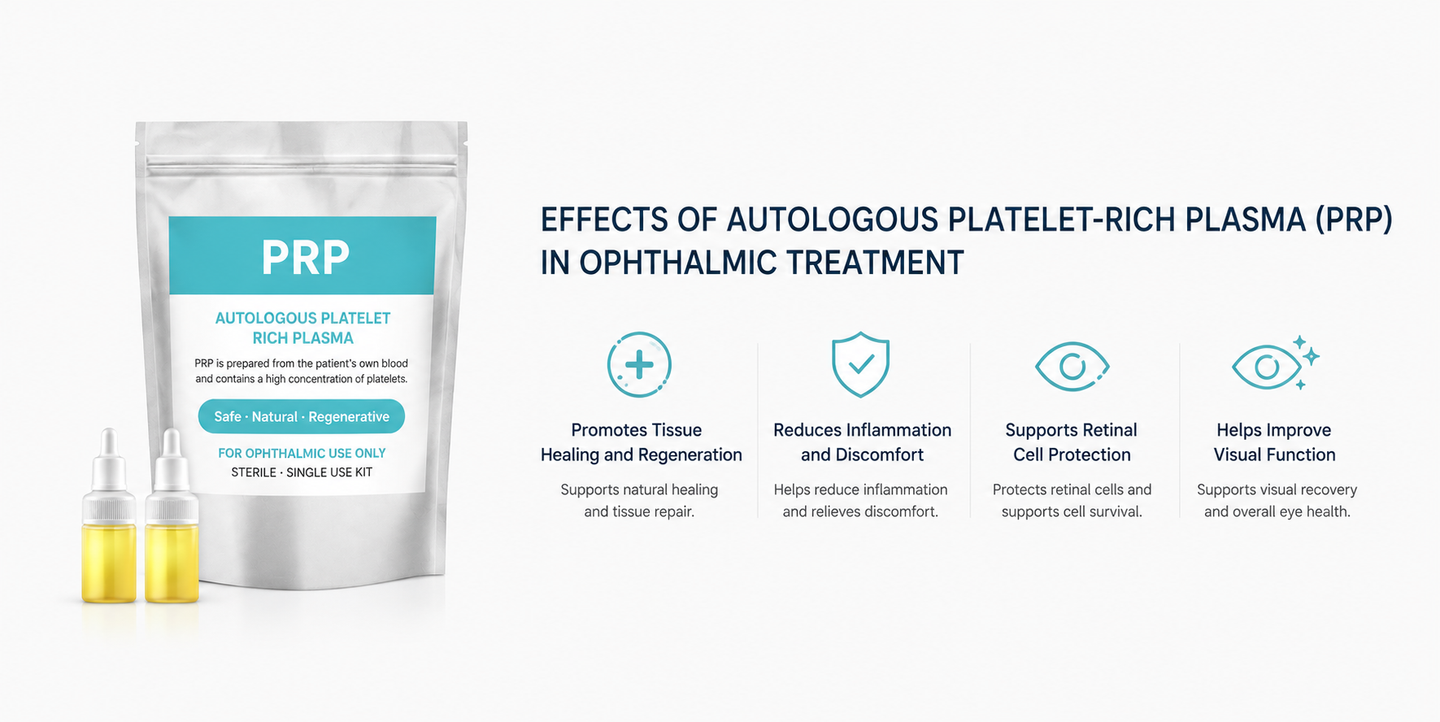
Benefits of PRP
Enhanced Recovery with PRP Eye Drops
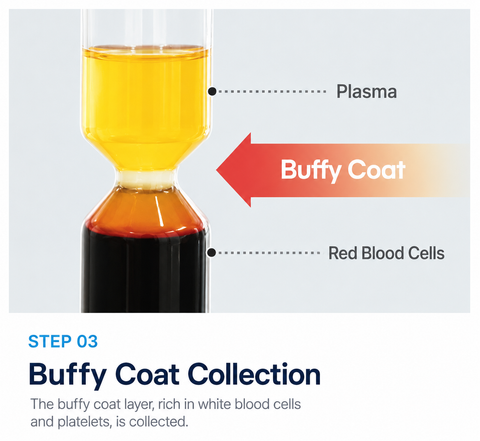
PRP (Platelet-Rich Plasma) eye drops are prepared using the patient’s own blood. Rich in platelets and growth factors, PRP eye drops can help support ocular surface healing, promote faster recovery, and relieve postoperative discomfort.
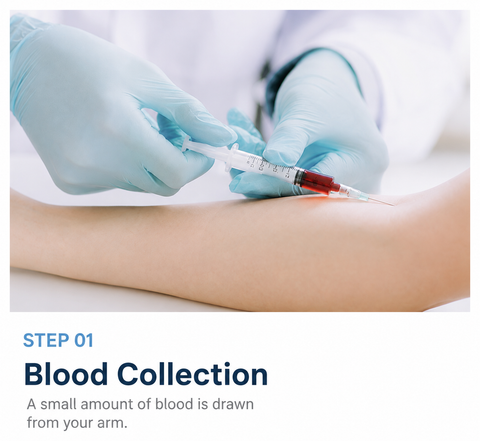
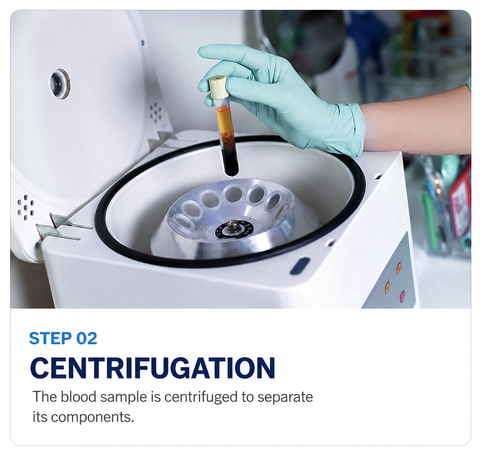
How PRP Eye Drops Are Prepared
PRP is prepared by centrifuging the patient’s own blood to separate and concentrate the platelet-rich plasma, typically resulting in a platelet concentration approximately 3–5 times higher than normal blood.
Compared with conventional autologous serum, PRP uses a highly concentrated platelet-rich layer, including the buffy coat, which contains growth factors that may help support ocular surface healing and improve dry eye–related symptoms.
SMILE PRO Frequently Asked Questions (FAQ)
Common Questions About B&VIIT AI SMILE PRO
What Are the Advantages of SMILE PRO Compared to SMILE LASIK?
Compared with conventional SMILE LASIK, SMILE PRO reduces laser application time from approximately 30 seconds to under 10 seconds, allowing for a faster procedure. Its advanced automated system also helps minimize potential procedural errors and improves the precision of vision correction.
With the previous VISUMAX system, the astigmatism axis was marked on the patient’s eye and manually aligned by the medical team. The VISUMAX 800 used for SMILE PRO provides automated alignment according to the astigmatism axis, supporting more precise positioning and accurate treatment.
What Are the Benefits of a Laser Application Time of Under 10 Seconds?
When the laser application time is reduced to under 10 seconds, the corneal lenticule can be separated more smoothly, helping minimize prolonged hazy vision and supporting faster visual recovery. The shorter procedure time can also make the overall surgical experience more comfortable.
For patients who feel anxious about eye surgery, the reduced treatment time may help ease discomfort and stress. It also minimizes the time the eye is exposed during the procedure, which may help reduce the risk of contamination or infection.
What Are the Benefits of Correcting Eye Rotation Along the Astigmatism Axis?
Astigmatism can cause vision to appear distorted or blurred in certain directions, so accurate alignment of both the astigmatism axis and correction value is important for precise treatment.
The eye can rotate slightly depending on body position and posture, with an average rotation of approximately 4.1 degrees. If surgery is performed with the eye rotated by 5 degrees, astigmatism correction may be reduced by up to 17%, according to published ophthalmic research. Advanced laser systems can automatically compensate for this rotational movement, helping improve alignment and the precision of astigmatism correction.
What Are the Benefits of Correcting Eye Rotation Along the Astigmatism Axis?
Astigmatism can cause vision to appear blurred or distorted in certain directions, so precise alignment of the astigmatism axis and accurate correction power are essential for optimal vision correction.
The eye can naturally rotate depending on posture and body position, with an average rotation of approximately 4.1 degrees. If surgery is performed while the eye is rotated by 5 degrees, astigmatism may be undercorrected by up to 17%, according to ophthalmic research. Advanced laser technology can automatically compensate for this eye rotation, helping ensure more precise alignment and accurate astigmatism correction.
How Long Is the Recovery Period After SMILE PRO?
SMILE PRO uses a laser application time approximately three times faster than conventional SMILE, helping reduce temporary hazy vision and support faster visual recovery. In most cases, the initial recovery period is around 1–2 days, and patients can typically resume normal daily activities from the day after surgery.
A follow-up examination is scheduled for the day after surgery to check the healing process. If no unusual issues are found, patients may generally resume activities such as washing their face, washing their hair, and going outside. Facial and eye makeup may also be resumed after the next-day examination, according to the doctor’s guidance.
What Are the Possible Side Effects of SMILE PRO?
As with conventional SMILE LASIK, patients may experience temporary dry eyes, glare, or halos around lights during the early recovery period. These symptoms generally improve gradually over time.
However, the recovery period may vary depending on individual factors such as pupil size, pre-existing dry eye, and overall eye condition before surgery.
Is It True That Some Eye Clinics Advertise a 1 mm Incision for SMILE PRO?
No. The incision size is generally the same, while SMILE PRO primarily reduces the laser application time.
Reducing the incision size excessively may make lenticule removal more difficult and could potentially increase stress or damage to the surrounding corneal tissue during extraction. An incision of approximately 2 mm is already very small and is designed to allow safe and efficient lenticule removal.
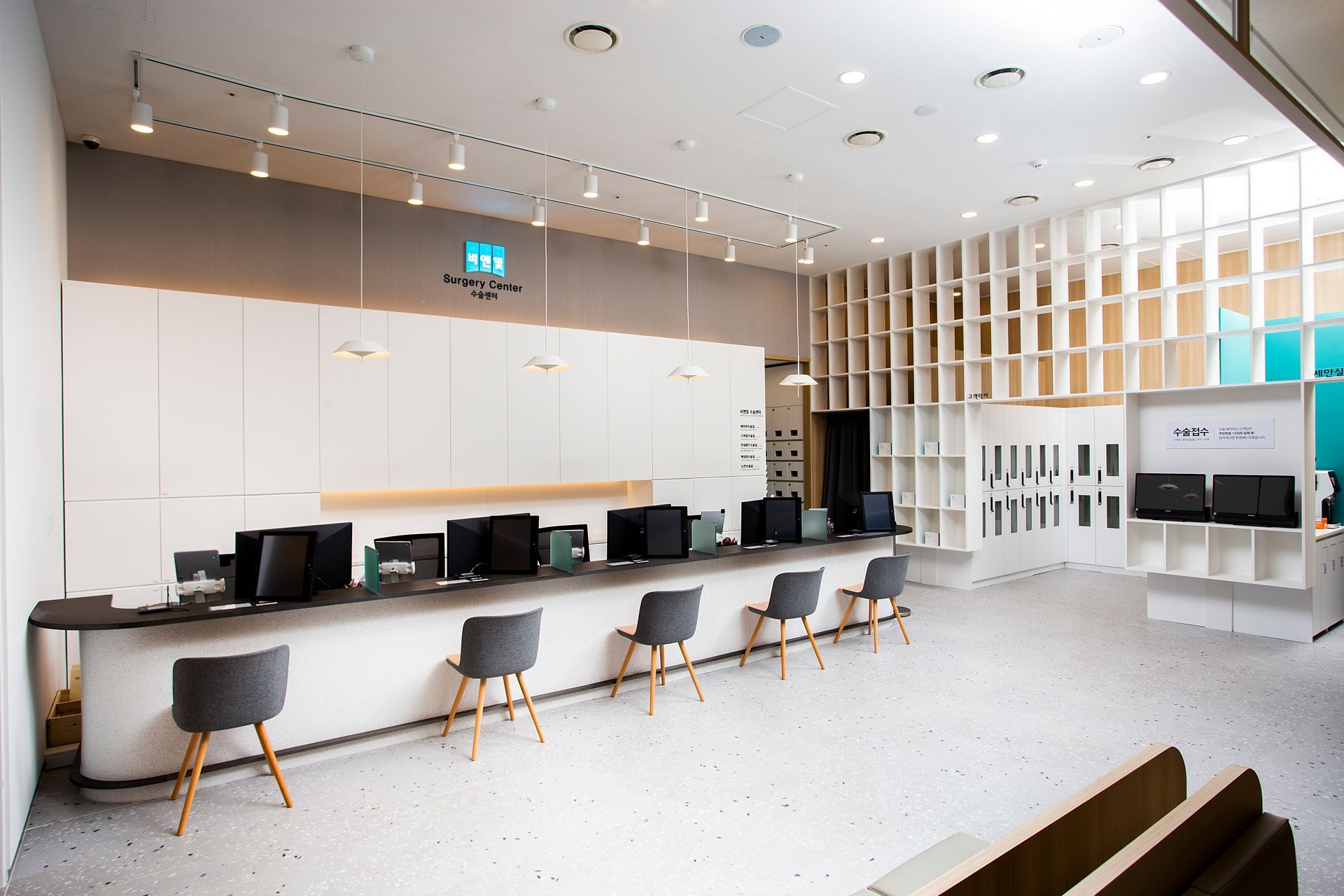
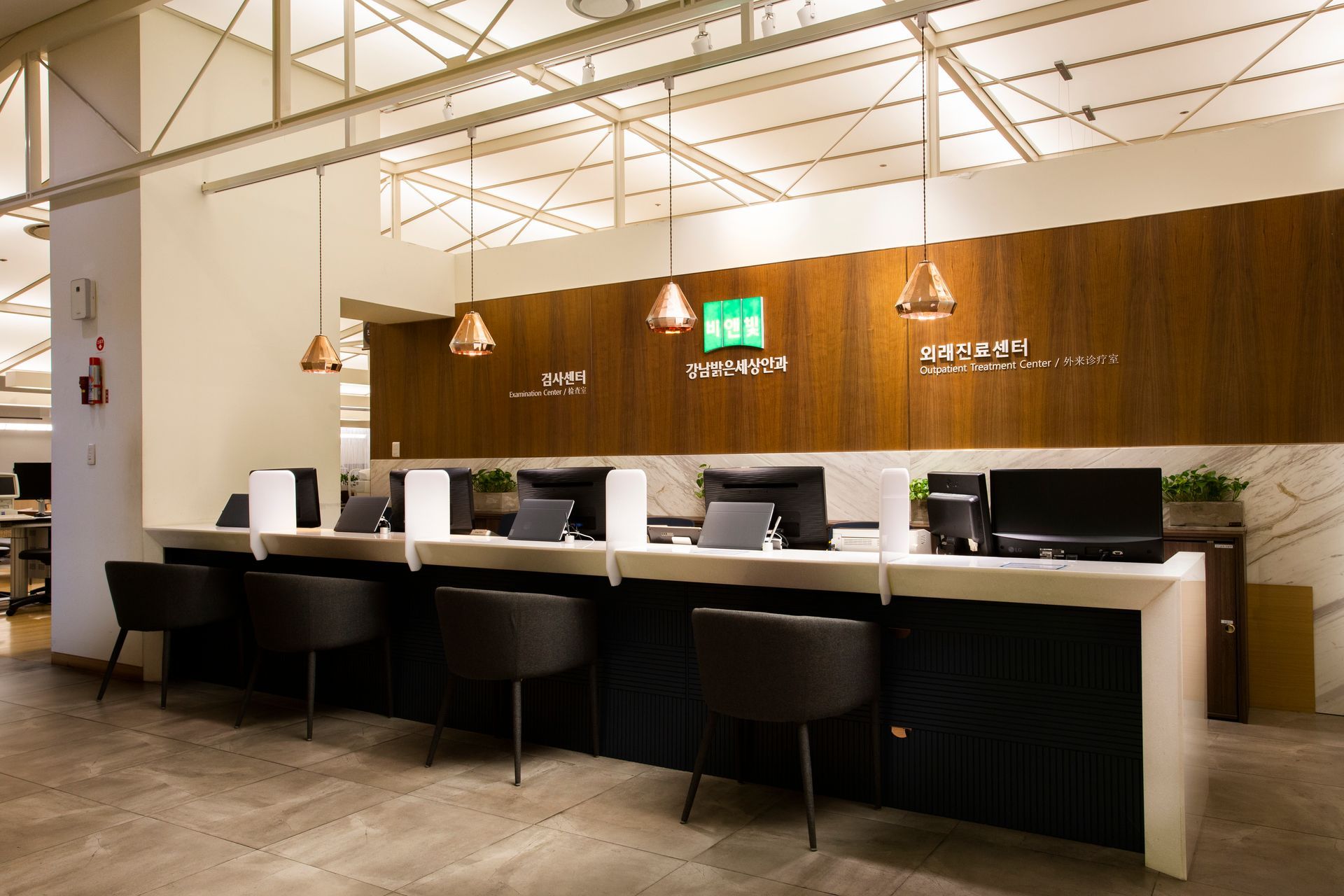
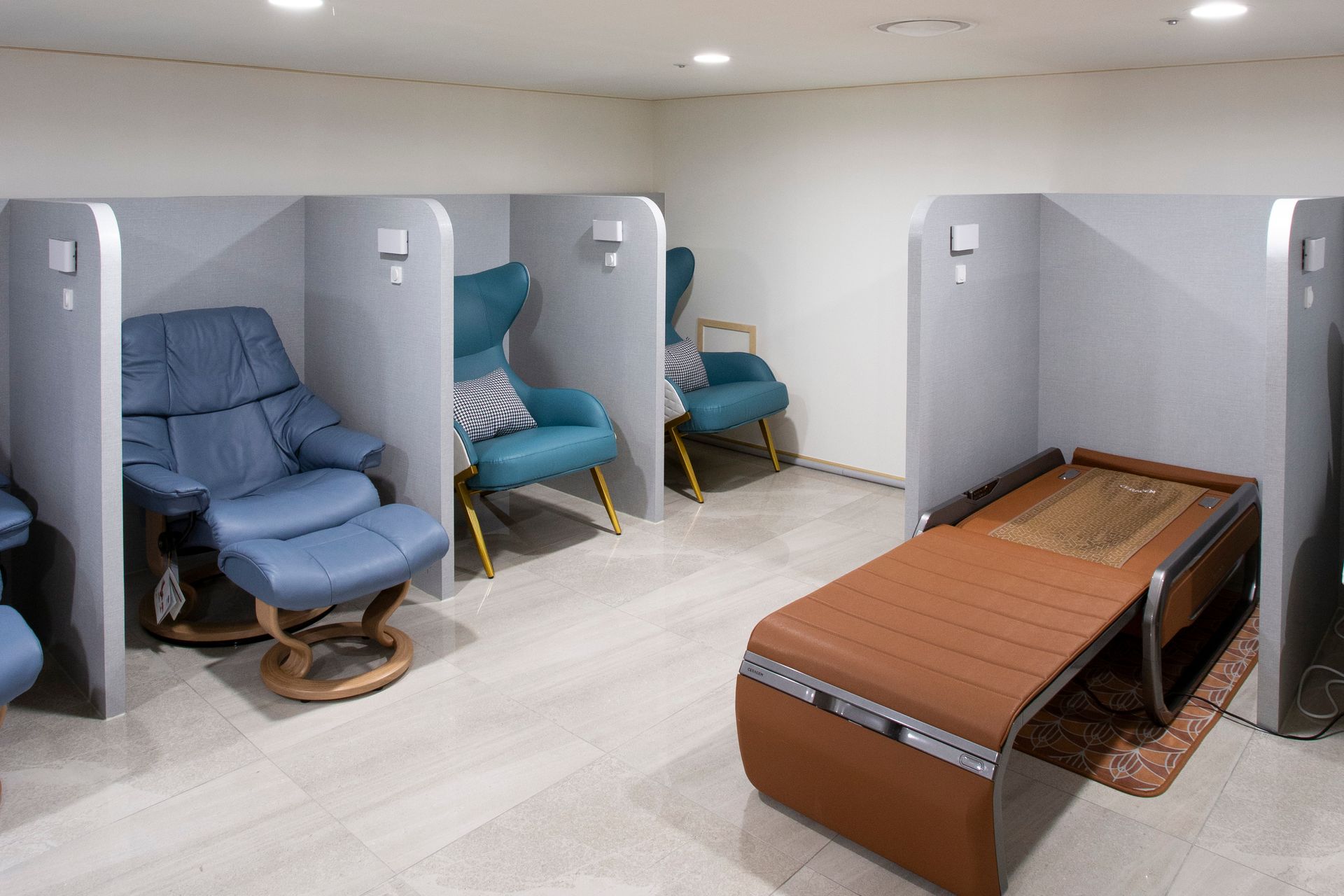
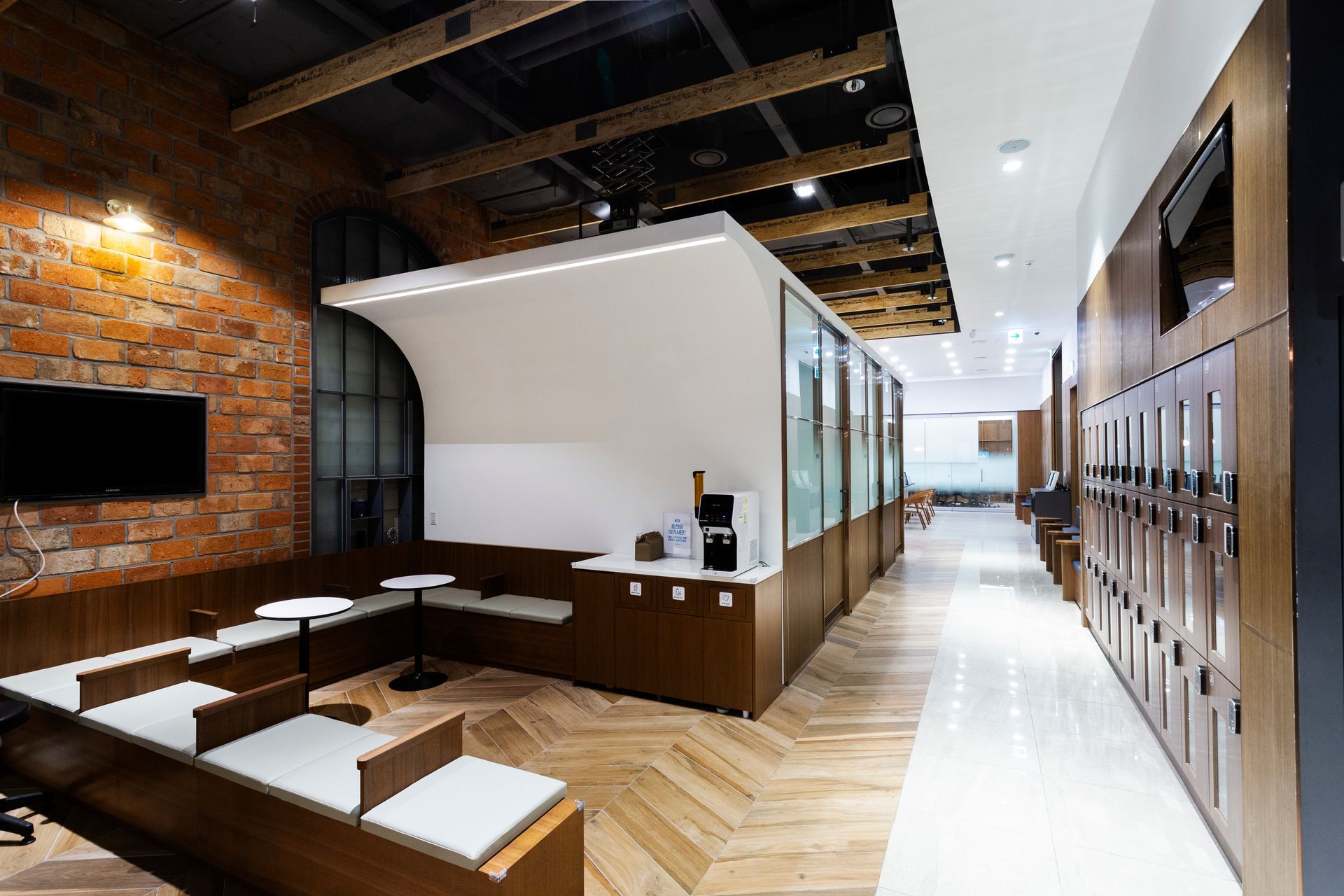
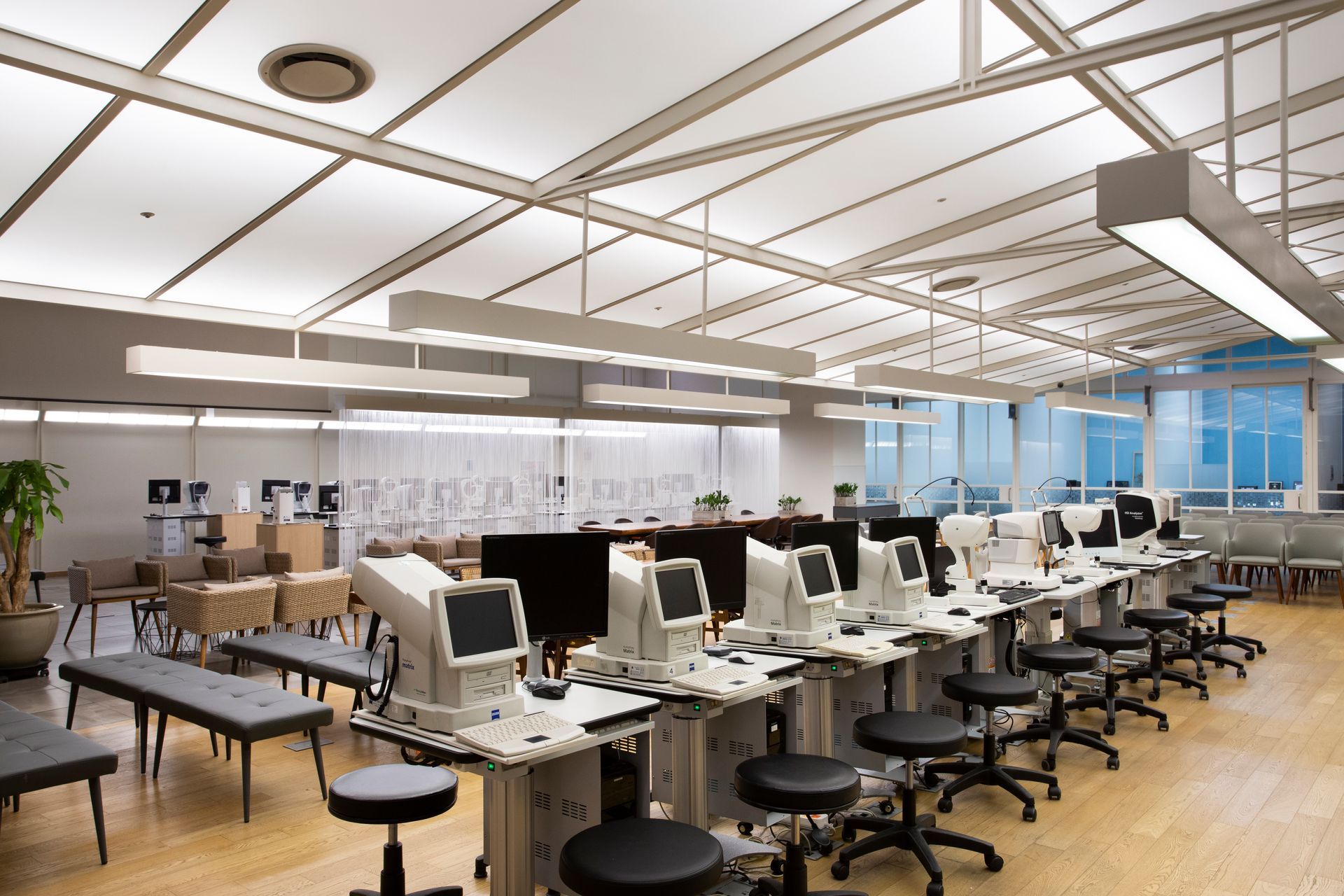
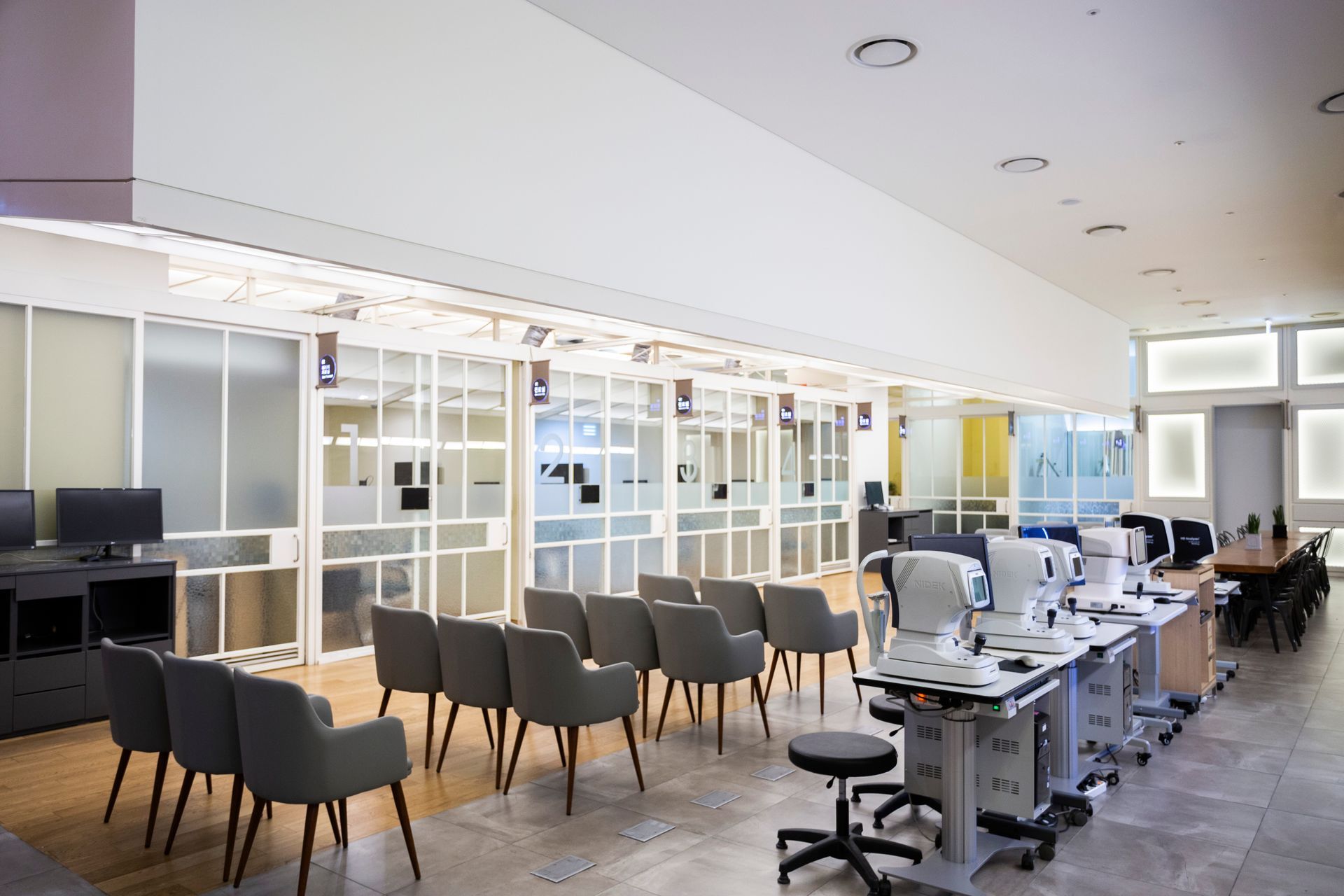
Clinic facilities
Project name here
This is the text area for this paragraph. To change it, simply click and start typing.
Project name here
This is the text area for this paragraph. To change it, simply click and start typing.
Project name here
This is the text area for this paragraph. To change it, simply click and start typing.
Project name here
This is the text area for this paragraph. To change it, simply click and start typing.